The Fix-It Formula: 5 Simple Computer Troubleshooting Steps for Everyday Problems

Computer troubleshooting steps are your best friend when your computer suddenly freezes (hangs), the Wi-Fi signal drops, or your printer refuses to print. Maybe there’s no sound, no display, or a mysterious pop-up appears out of nowhere.
Don’t Panic!
Before you panic or assume the worst, take a deep breath — most common computer problems like slowness, frozen screens, random restarts, sound issues, app crashes, overheating, or printer errors have simple, easy-to-follow solutions.
All you need is the Troubleshooting Mindset:
The simplest thing is usually the cause and the simplest fix, like restarting, closing a problematic app, checking a loose cable, or performing a quick reset, usually works.
5 Simple Computer Troubleshooting Steps
Let’s dive into the 5 easy computer troubleshooting steps and see which one works best for you. Share your experience in the comments below!
Step 1: The Golden Rule — Restart Everything
Computer troubleshooting steps often begin with one simple action — restarting your device. It might sound cliché or generic, but believe it or not, restarting really does fix most issues.
Soft Reboot (Restart):
One of the most effective computer troubleshooting steps is performing a soft reboot. A soft reboot restarts your computer using software commands, allowing the operating system to shut down gracefully without cutting the power completely. It’s the standard and safest way to fix minor issues and apply updates, as it protects your data better than a hard power-off. When your computer slows down, your browser freezes, or apps stop responding, restart your system. This clears temporary memory (RAM), resets stuck processes, and gives your computer a fresh start to run smoothly and efficiently.
Hard Reboot (Power Button Hold):
Another important computer troubleshooting step is the hard reboot (or cold reboot), which is used only as a last resort. It forcibly restarts a frozen or unresponsive device by completely cutting and restoring power. This abruptly terminates all processes and carries the risk of losing unsaved data. If your computer or device is completely frozen, hold the power button for about 5–10 seconds to turn it off. Wait a few seconds, then power it back on by pressing the power button again. Since this may cause data loss, consider taking a photo of the screen with your phone if there’s something important you want to remember. Use this only as a last resort when no other option works.
Common issues fixed by restarting are:
⦿ Frozen or unresponsive screens
⦿ Missing sound or Wi-Fi
⦿ Display issues
⦿ Built-in mouse and keyboard not working
⦿ Crashing apps
⦿ Random lag or slow performance
When in doubt — restart first!

Pro Tips
✅ If your computer turns off due to a dead battery while in hibernation mode, don’t resume from that saved state. Restart your computer instead. This ensures all apps and processes start fresh, preventing system glitches and performance issues.
✅ A regular shutdown doesn’t always give your system a completely fresh start because of Windows’ Fast Startup feature. For the best results, make it a habit to restart your computer occasionally to clear temporary data and restore smooth performance.
Step 2: Check the Cables and Connections
Loose or disconnected cables cause more problems than you’d expect. Before diving into complicated fixes, make sure everything is connected properly.
Monitor Issues:
Ensure your display cable (HDMI, DisplayPort, or VGA) is firmly plugged in and there’s no power fluctuation or interrupted supply. If you see no display or a blank screen, check that the brightness isn’t turned down too low — you might just be looking at a dark screen!
Once, as a joke, we dimmed a friend’s monitor brightness so much that nothing was visible and told him his LCD had broken again (he had just gotten it repaired for the same issue). He became very upset — until we couldn’t stop laughing, which gave it away! He adjusted the brightness, and the “problem” was instantly solved.
No Sound?
Check that your speakers or headphones are in the correct port and the volume isn’t muted — both on your device and the speakers. If multiple audio devices are installed, make sure the correct one is selected. Also, confirm that the volume knob on your external speakers is turned up and they’re powered on.
External Devices:
Reconnect USB drives, keyboards, or mice that stop responding. Ensure the connectors are clean and free of corrosion. A faulty USB cable can often be the culprit, so try another cable if the device isn’t working. Once, we had a portable hard drive that only worked with one specific cable — strangely, the same cable worked fine with another drive. A new cable solved the issue instantly!
Printer Problems:
Make sure the printer is turned on, plugged in, and properly connected (via USB or Wi-Fi). Check that your power supply is stable — low or fluctuating voltage can cause paper jams or failed prints. If paper gets stuck, clear it gently before printing again. For low toner or cartridge levels, a quick temporary fix is to gently shake the toner — it can often print a few more pages.
Wi-Fi Troubles:
Ensure Airplane Mode is off and Wi-Fi is turned on. Check that the router lights appear normal, and try restarting it. If you’re using a mobile hotspot, turning it off and on often resolves connection issues. Toggling Airplane Mode on and off can also refresh your connection. If the problem persists, try connecting to a different network to identify whether the issue is with your device or the network itself.
A two-second cable check often saves hours of frustration!

Pro Tips
✅ If your USB device (mouse, keyboard, or drive) keeps connecting and disconnecting repeatedly, it’s often a sign of a loose or faulty cable. Try changing the USB port — sometimes, a different port provides a more stable connection. Check that the cable isn’t pulled too tightly or bent at sharp angles, and ensure it’s not being pressed or tilted by other objects on the table. As a last resort, replace the malfunctioning keyboard, mouse, or cable.
✅ Avoid Overloading USB Ports:
Connecting too many devices to one USB hub or port can cause power fluctuations and disconnections. If possible, plug power-hungry devices (like external hard drives) directly into your computer instead of an unpowered USB hub.
✅ Dust, lint, or oxidation inside USB ports can lead to poor connectivity or intermittent disconnections. Use compressed air or a soft brush to clean the ports carefully. To learn more about computer cleaning and repairing, read our article at Guidelines for computer cleaning and repairing
✅ Cheap or low-quality cables often fail faster, especially for devices that draw more power. Investing in a well-shielded, certified USB cable can prevent many connection issues in the long run.
Step 3: Check for Overload (Too Many Apps Running)
If your computer feels slow, overheats, or takes too long to complete tasks or execute commands, it’s likely overloaded. Among the most effective computer troubleshooting steps is checking which apps or processes are consuming too many resources.
Windows: Press Ctrl + Shift + Esc to open Task Manager.
macOS: Open Activity Monitor through Spotlight (press Command + Space, then type Activity Monitor and hit Enter).
Look for apps using a high percentage of CPU or memory, and close the ones you don’t need.
Easy Performance Boosters:
✔ Close unused browser tabs — they consume more RAM than you think.
✔ Exit background apps, updates, or games that you’re not using.
✔ Avoid running downloads, updates, and video calls simultaneously.
✔ Keep air vents clear to prevent overheating.
✔ Ensure laptop ventilation fans and air holes are unobstructed and clean.
✔ Avoid using your laptop on soft surfaces (like beds or cushions) that block airflow.
✔ Make sure your cooling system is running properly and there are no blockages.
✔ Check your battery health — low battery can trigger power-saving modes that reduce performance. Plug in the charger before the battery drops below 30–50% to maintain optimal performance.
A simple rule: Computers, like people, perform best when they’re not overworked.

Pro Tips
✅ Regularly restarting your computer after long use helps clear temporary files and free up memory, preventing overheating and lag.
Step 4: Update or Scan (Fixing Software Issues)
If your computer still feels sluggish, performs poorly, or strange pop-ups appear, it’s time to move on to one of the most important computer troubleshooting steps — updating your system and scanning for malware or viruses.
Run System Updates:
Both Windows and macOS release regular updates that fix bugs, patch security holes, and improve performance. Always install the latest updates to ensure a smoother and more stable experience. If you’re short on time, at least install the cumulative monthly updates, which include essential fixes and improvements.
Update Apps:
Outdated browsers, office tools, or drivers can cause errors, slowdowns, or even crashes. Old or legacy software can also consume excessive RAM and processing power. Make sure to update to the latest stable versions of all essential programs. A good practice is to uninstall apps you no longer use — in today’s fast-paced tech world, most software gets frequent updates anyway.
Run a Security Scan:
Malware infections can cause all kinds of strange behavior — random restarts, disappearing files, or unwanted pop-ups. Run a full system scan using a trusted antivirus or anti-malware program. For best results, use reliable tools like Malwarebytes to detect and remove hidden threats. (You can also read our guide on Installing FREE Avira Antivirus and Running a Full Scan)
Clear your browser cache and temporary files regularly to boost browsing speed and overall system performance.
Step 5: Define the Problem (When You Need Help)
If the first four computer troubleshooting steps don’t solve your issue, it’s time to ask for help — but do it smartly. Always make sure you’re contacting the right person or company. Unfortunately, many fake or scam “support” services pretend to be legitimate firms but are actually out to steal personal data or money. Always verify official websites and contact channels before sharing any information.
When reaching out to tech support (or a knowledgeable friend), be ready with the following details:
What happened?
Describe the problem clearly — include any error messages, strange behavior, or symptoms. If possible, take a screenshot and mention what you’ve installed or uninstalled recently.
When did it happen?
Explain whether it occurred after a system update, new software installation, or randomly during normal use.
What have you already tried?
List the troubleshooting steps you’ve taken, such as restarting, checking cables, or running scans.
The clearer and more specific your description, the faster a technician or support team can identify and fix the problem accurately.

Conclusion
When your device starts acting up, computer troubleshooting steps can make all the difference. By following the Fix-It Formula — restart, check connections, reduce overload, update or scan, and define the problem, you can fix most everyday computer issues quickly and confidently.
The key is patience and a logical mindset. Start with the simplest cause before attempting complex fixes. Often, a simple restart, cable check, or closing unnecessary apps is all it takes to get your system running smoothly again.
Remember, computer troubleshooting steps aren’t about knowing everything they’re about thinking clearly and applying practical fixes when things go wrong. With these five steps, you’ll not only solve problems faster but also build confidence in handling any tech challenge that comes your way.
Stay calm, stay curious, and let the troubleshooting mindset guide you because every problem has a solution, and now you know exactly where to start.
Take your understanding of computer troubleshooting steps even further with Basics of Computer, Third Edition. This easy-to-follow guide simplifies common computer issues and solutions, helping you fix problems confidently, keep your system running smoothly, and boost productivity.
FAQs
The 5 basic steps for troubleshooting a computer are:
Identify the problem – Observe symptoms and note error messages or unusual behavior.
Check basic connections – Ensure cables, power, and peripherals are properly connected.
Restart the computer – Many issues are resolved simply by rebooting the system.
Check software and settings – Look for recent changes, updates, or misconfigurations that might cause the problem.
Test and isolate – Use diagnostic tools, remove external devices, or boot in safe mode to pinpoint the cause.
Some common computer problems include:
Slow performance – Solution: Close unnecessary programs, run disk cleanup, and check for malware.
Computer won’t start – Solution: Verify power supply, check cables, and remove external devices to isolate the issue.
Internet/Wi-Fi not working – Solution: Restart the router, check network settings, and update network drivers.
Frozen or unresponsive computer – Solution: Press Ctrl + Alt + Delete to access Task Manager and close problematic programs, or restart the PC.
Printer not working – Solution: Check printer connections, ensure drivers are installed, and restart both printer and computer.
Troubleshooting computer problems and solutions is the process of identifying, diagnosing, and resolving issues that prevent a computer from working properly. It involves following systematic steps to find the root cause and applying appropriate fixes, such as checking hardware, restarting the system, or adjusting software settings.
Restarting clears temporary files, refreshes system memory (RAM), and resets stuck processes — often fixing freezing, lagging, and connectivity issues instantly. It’s the simplest and most effective of all computer troubleshooting steps.
Check which apps are using high CPU or memory in Task Manager (Windows) or Activity Monitor (macOS). Close unnecessary programs, keep air vents clear, and ensure your laptop isn’t placed on soft surfaces blocking airflow.
Frequent connect-and-disconnect sounds, devices not responding, or flickering lights are signs of a loose or faulty cable. Try changing ports, cleaning the connectors, or replacing the cable entirely.
Install system updates at least once a month, and update frequently used apps whenever new stable versions are released. Regular updates are essential computer troubleshooting steps to prevent crashes, bugs, and security vulnerabilities.
Run a full system scan using trusted antivirus or anti-malware software such as Windows Defender or Malwarebytes. Remove any detected threats, then clear browser cache and temporary files to boost performance.
If you’ve already tried all basic computer troubleshooting steps — restart, cable check, updates, and scans — and the issue persists, contact official support or a verified technician. Always avoid unverified “tech support” ads or unknown remote-access services.
Related Posts
Learn more General Concepts
Interesting Stuff in your Inbox
Subscribe to our mailing list to get interesting stuff and updates right in your email inbox. Promise, we will never sell your info to any third party.
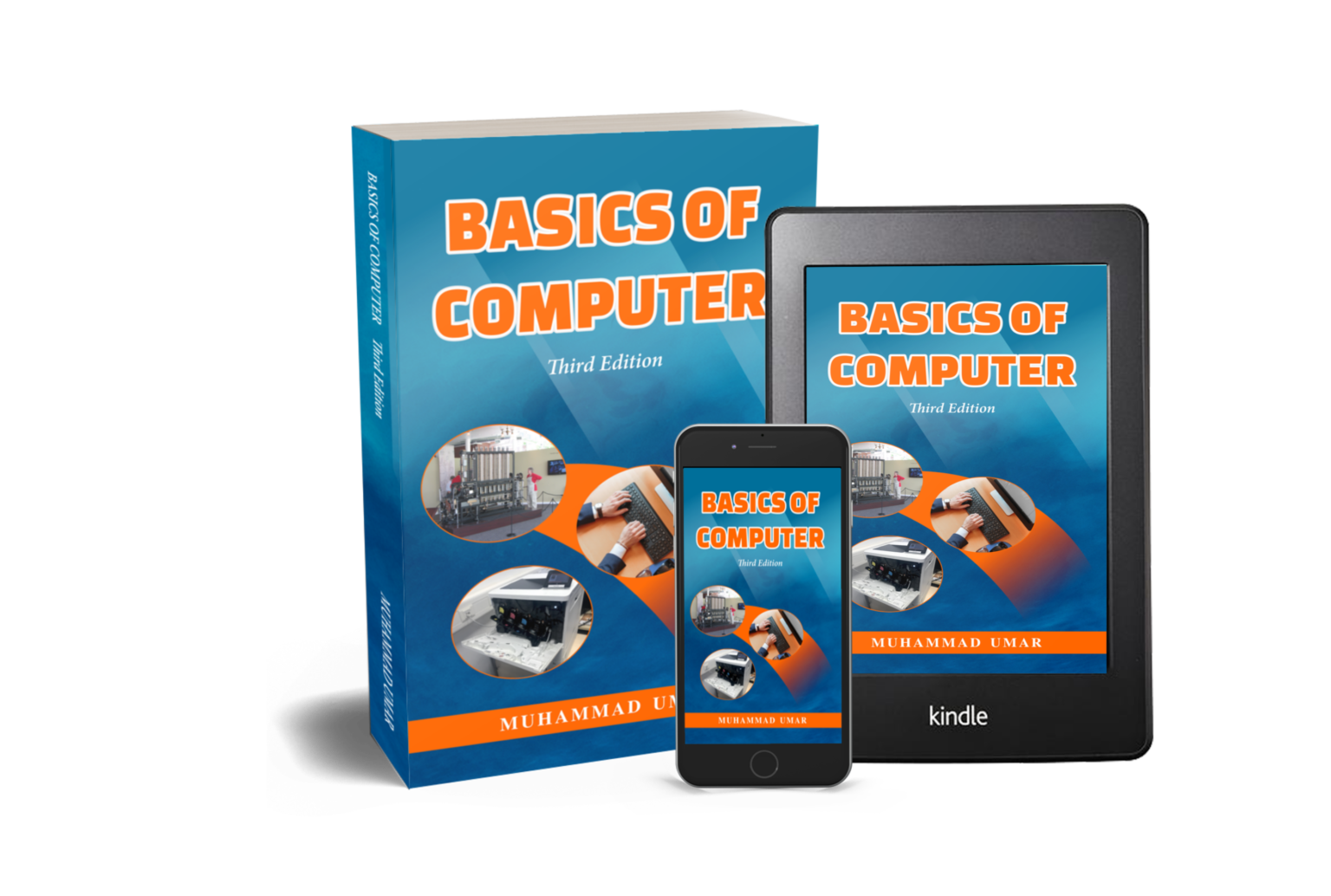
Basics of Computer By Muhammad Umar
Basics of Computer, Third Edition, eradicates any intimidation about the computer. With a minimal investment of time, you’ll soon be able to understand basic concepts and perform simple tasks on your computer.

Recent Posts
Ask a Question
Do you have any questions? Rest assured, we're here to provide answers. Join us in our forum where you can engage in fruitful discussions, ask your queries, and receive insightful responses from our esteemed authors and community members. We look forward to your active participation and valuable contributions as we collectively explore various topics. Let's come together and share your thoughts!